Commercial kitchen exhaust gaps: what inspectors look for in cleaning records
Why small exhaust gaps become bigger concerns
Commercial kitchen exhaust systems are judged by more than the look of a clean hood at the end of a shift. The full path from cooking equipment to the roof or wall discharge includes the canopy, filters, ductwork, fans and access points. When grease builds up in hidden areas, or when service records do not match the system on site, a routine inspection can turn into a compliance issue.
Most problems are not dramatic. A filter is changed often, but the duct behind it is rarely checked. A fan looks sound from the ground, yet grease has collected inside the housing. A service visit happened, but the paperwork is too vague to show what was cleaned. These gaps matter because a commercial kitchen exhaust system is part fire safety equipment, part ventilation system and part maintenance trail.
The focus keyword here is best understood as the proof that links cleaning work to system condition. Hood cleaning documentation gives a restaurant a way to show what was serviced, when it was serviced, how accessible areas looked and what follow-up was needed. It does not replace maintenance, but it makes maintenance visible and easier to review.
What hood cleaning documentation covers
At its simplest, documentation is the written and photographic record of exhaust cleaning work. A useful service report usually identifies the site, the date, the areas cleaned and the condition found before and after the work. It may also note problems that could not be corrected during the visit, such as damaged access panels, leaking grease containers, loose duct sections or heavy grease at a fan.
Photos help because exhaust components are often out of sight. A line on a form saying "duct cleaned" tells a reader very little. Before and after photos give context, especially when they show the same angle of the same duct run or fan housing. They also help track change over time. If one area is dirty again much sooner than the rest, that may point to a filter problem, a airflow issue or a change in cooking volume.
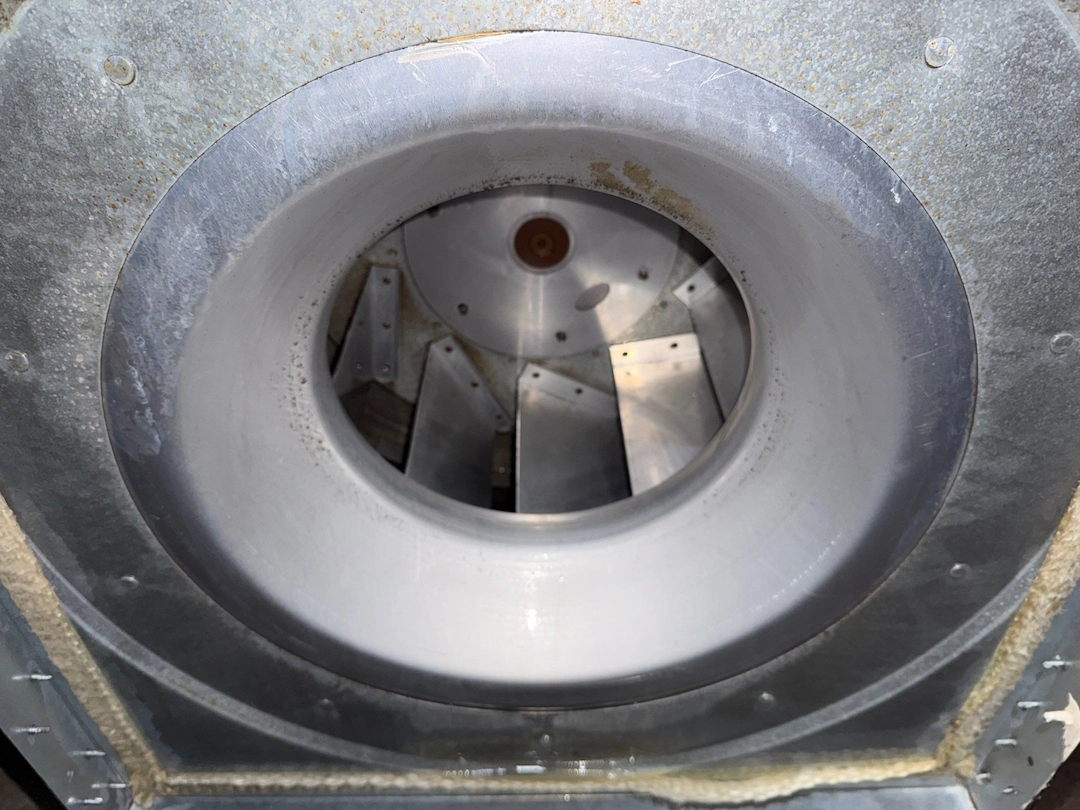
The strongest records are specific without being cluttered. They describe what was actually found and done. They avoid broad claims that cannot be checked. They also match the layout of the kitchen, so a reviewer can connect the report to the equipment on site. NFPA 96 is often used as a reference point for exhaust system cleanliness and maintenance expectations, though local requirements and the authority having jurisdiction still matter.
Common gaps that raise questions
One common gap is treating the hood as the whole system. Cooking surfaces and filters are easy to see, so they receive attention. Duct interiors, roof grease fans and discharge areas can be forgotten until access becomes difficult or odors appear. Grease accumulation in those areas can create fire risk and may also affect airflow. A record that only mentions the canopy leaves questions about the rest of the path.
Another gap is inconsistent timing. Inspection frequency often depends on factors such as cooking volume, fuel type and local rules. A busy charbroiler kitchen may need more frequent service than a low-volume prep kitchen. If cleaning dates drift or visits are irregular, records for restaurant fire inspections may show a pattern that is hard to explain, even when recent cleaning was thorough.
A third gap is weak detail. A report with no scope, no named areas and no condition notes gives a fire marshal little to work with. The same is true when photos are missing or too general. Compliance records should make it clear whether the whole exhaust path was addressed, whether any part was deferred and why. Vague paperwork can make a well-maintained system look poorly managed.
Access is another frequent problem. Ductwork that cannot be opened and inspected cannot be cleaned properly. Missing panels, sealed joints or poorly placed access points may limit the work. A good record should say so. Silence can be worse than a note explaining a limitation, because the next reviewer may assume the area was cleaned.
How documentation works during review
During a review, the practical question is whether the records support the condition of the system. Dates alone do not prove much. A reviewer may compare reports with the type and size of cooking equipment, the visible condition of filters and hood surfaces, and any complaints about smoke, grease or airflow. If the paperwork says everything is clean but the kitchen shows signs of grease escape, that mismatch becomes part of the conversation.
Fire marshal interest often centers on fire prevention and access for inspection. That means the paper trail should be easy to read and organized by date. It should include the service report, photos and any notes about corrections. Keeping these items together helps staff answer basic questions without searching through email threads or drawers. It also reduces the chance that a completed service is overlooked.
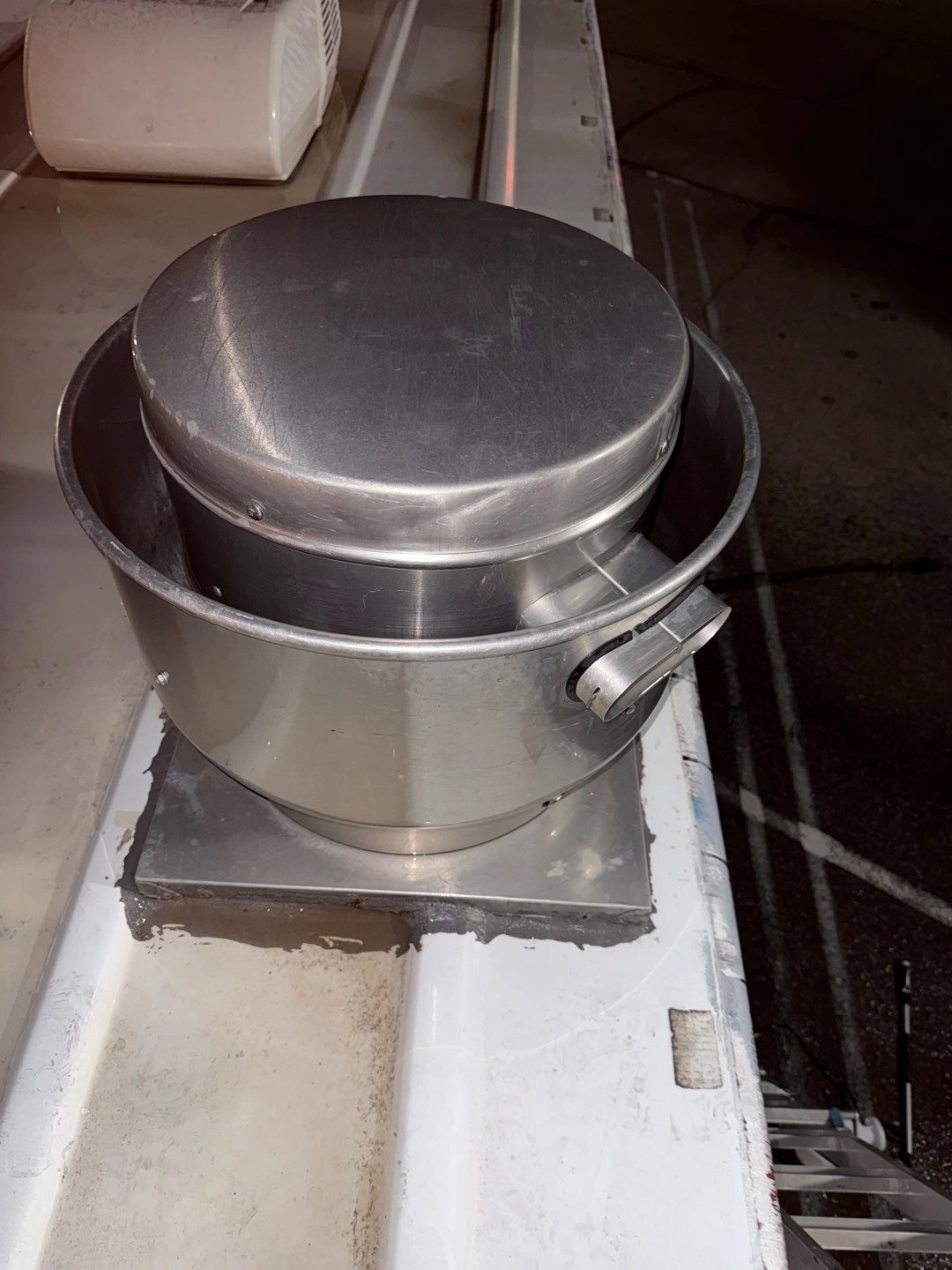
Records for restaurant fire inspections are most useful when they show continuity. A single report gives a snapshot. A series of reports shows patterns: repeated grease in one duct, recurring damage at an access panel, or steady improvement after a correction. Those patterns help managers decide where to focus attention between service visits.
What restaurant managers can watch for
Managers do not need to inspect every duct interior themselves. Some tasks are best left to qualified professionals, especially work involving fans, rooftop access, electrical components or confined areas. There are still simple observation points that can flag a problem early. Look for grease dripping from hood seams, stains above filters, unusual vibration at a fan, smoke that lingers longer than normal or a greasy film on nearby surfaces.
Filter care also deserves attention. Filters are the first line of defense, but they are not a substitute for duct cleaning. Heavy grease loading can allow residue to move farther into the system. Cooking volume, menu changes and poor filter fit can all shorten the time between cleanings. When filters seem dirty again very quickly, the cause may be more than daily use.
A practical file system helps keep the details straight. The goal is not to create paperwork for its own sake, but to make each service visit traceable. Useful items to keep together include:
- the service report with date, scope and system areas covered
- before and after photos of hoods, ducts, fans and access points
- notes about repairs, deferred work or repeated problem areas
- the current cleaning schedule and the reason behind its frequency
Those items should be readable months later. Abbreviations, unclear site areas and missing dates weaken the file. If a report is handwritten, key details should still be legible. If photos are stored separately, they should be labeled well enough to connect them to the right visit.
How to judge whether a record is useful
A useful record answers basic questions quickly. What was cleaned? What was not cleaned? What condition was found? What needs follow-up? Who performed the work? When did it happen? If those answers are clear, the document can support both daily management and outside review.
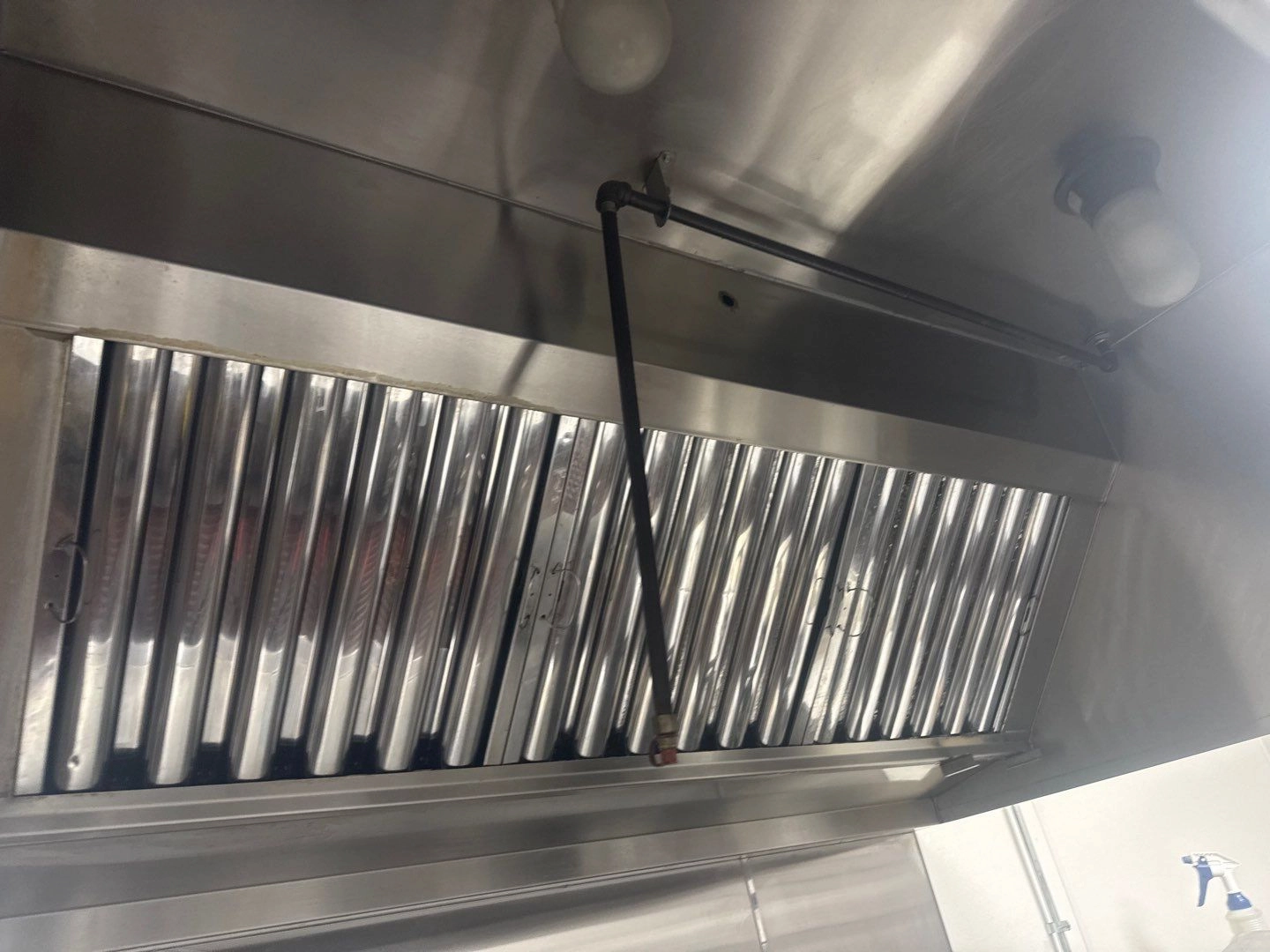
There is a balance to strike. Too little detail leaves gaps. Too much unrelated material makes the important points hard to find. The best approach is consistent formatting, plain language and photos that match the written notes. Over time, that consistency makes exceptions stand out. A sudden change in condition is easier to spot when earlier records follow the same structure.
Compliance-focused maintenance is not only about passing an inspection. It is about knowing the condition of a system that is mostly hidden. Clean hood surfaces can give false confidence if ductwork and fans are neglected. Good documentation brings those hidden areas into the record, making it easier to plan maintenance, correct repeat issues and show that the restaurant takes exhaust care seriously.
When in doubt, treat the exhaust path as one system rather than a set of separate parts. Ask whether the records reflect that full path, whether the schedule fits the kitchen and whether problem areas are being followed up. Those questions point to the gaps that most often create compliance concerns, and they give managers a clearer basis for the next service decision.